Course
OCEB BPM2 Fundamental Exam Practice
Unlock Your Business Potential with OCEB BPM2
What will you learn?
This practice test will help you prepare to become an OMG Certified Expert in Business Process Management at the Fundamental level (OCEB BPM2 Fundamental)
We are not an official exam institute and do not award this official certificate. This is only to prepare for the official exam.
How should I prepare?
The Object Management Group (OMG) website (https://www.omg.org/oceb-2/) contains an overview of the knowledge required for this Fundamentals exam (https://www.omg.org/oceb-2/OCEB-2-Fundamental.pdf).
The chapters below are organized according to this overview and also map onto the chapters in the OCEB2 Preparation Guide book. In addition, we recommend taking the following courses on The Master Channel:
- BPMN Fundamentals course: from zero to hero (entire course).
- BPMN Pro: master the Business Process Model & Notation (chapter "Ad-hoc sub-process" and "Transaction sub-process")
- Process Discovery (entire course).
Meet the instructor
Write your awesome label here.
Sören van Vugt
Trainer - Business Architect
As a process enthusiast, he teaches various courses in the areas of Business Process Management, Business Process Architecture and Business Process Improvement and has helped organizations in improving their processes and introducing a process-oriented way of working.
Meet the instructor
Write your awesome label here.
Jasper Bosmans
Trainer - Business Architect
Jasper Bosmans is a passionate Business Architect. With experience in Business Analysis, Functional Analysis, and Innovation Management, Jasper strives to solve companies' most challenging problems with (technological) solutions to accelerate growth & optimize the customer experience.

© The Master Channel 2026
Just launched
Quantum Computing
Quantum computing is moving from theory into practice. This course introduces the core ideas behind quantum technology in a clear and accessible way, with no physics background required.
You will explore the basics of quantum mechanics, see how Shor’s algorithm affects modern cryptography, and understand why post-quantum security matters. The course connects theory to real-world impact, helping you grasp what quantum computing means for the future of technology and security.
Just launched
Vibe Modelling
Stop fighting diagram tools and start shaping diagrams through conversation. Vibe modelling combines an LLM that turns your intent into diagram code with a renderer that turns that code into clean, consistent visuals.
You’ll learn why direct “LLM to image” outputs often drift into errors, how using languages like Mermaid, PlantUML, or DOT keeps the structure correct, and how to iterate quickly by tweaking either the prompt or the code until the diagram says exactly what you mean.
Just launched
AI for Analysts
AI is changing the way we work. The tools are here, the capabilities are real, and the analysts who know how to use them will produce better deliverables in less time.
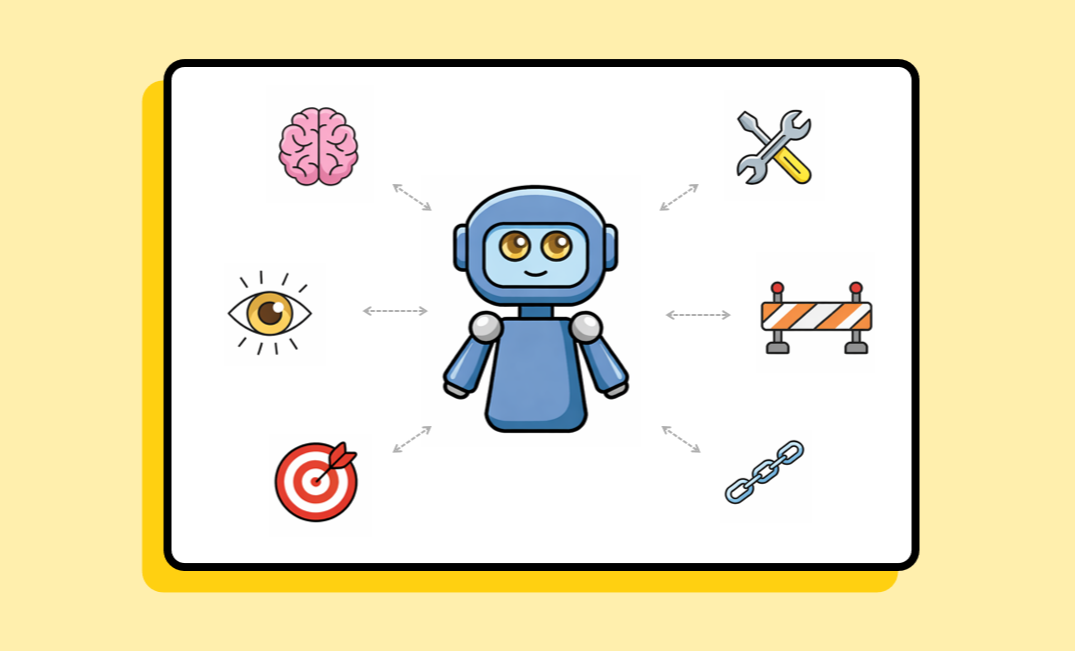
The question is no longer whether AI belongs in analysis work, it is how to apply it effectively. This course is about applying AI to the real, daily work of a business or system analyst: stakeholder interviews, requirements, diagrams, user stories, and technical artifacts.
AI is changing the way we work. The tools are here, the capabilities are real, and the analysts who know how to use them will produce better deliverables in less time.
The question is no longer whether AI belongs in analysis work, it is how to apply it effectively. This course is about applying AI to the real, daily work of a business or system analyst: stakeholder interviews, requirements, diagrams, user stories, and technical artifacts.